LexiLink · War, Peace, Economy and Finance B280 minutes
Complete the tasks, investigate conflict, peace and economic collocations in SkELL, and write about conflict resolution and economic recovery.
80-minute lesson route
Teacher-facing timing plan; the tasks below follow this sequence.
0–5 min · Warm-upDiscuss how conflict affects communities and what can help reduce its human cost.
5–17 min · ReadingRead about ceasefires, peace talks and economic recovery.
17–27 min · NoticingNotice collocations about conflict, humanitarian aid, peace and finance.
27–42 min · DDL with SkELLInvestigate four conflict, peace, economy and finance keywords with corpus examples.
42–52 min · RetrievalUse Odd One Out and Find the Collocate to notice natural word partnerships.
52–62 min · CategorisingPractise collocation sorting and lexical cloze in conflict and economic recovery contexts.
62–70 min · CorrectionRepair unnatural word partnerships and choose natural English collocations for conflict resolution and finance.
70–77 min · ProductionWrite at least 100 words about how peacebuilding and funding can support recovery.
77–80 min · ReflectionReview your score and share one collocation about peace or economic recovery that you verified in SkELL.
Learning outcomes
By the end of this lesson, you will be able to recognise and use collocations related to conflict, peace negotiations and economic recovery; interpret them in context; test hypotheses with SkELL evidence; and write about peacebuilding and financial recovery using natural English word partnerships.
Target collocations: definitions and synonyms
Study each complete word partnership, its meaning and related expressions before starting the tasks.
Reading: War, Peace and Economic Recovery
Read the text carefully or listen to it. Target collocations are shown in bold.
🎧
Listen to the reading
Choose your preferred English voice · Browser speech synthesis
Loading voices from your browser…
0%
After the title, narration pauses for 3 seconds before continuing. Pause / Resume preserves your place, including during this break, or move the slider to jump to another part of the text.
Ready to play. Choose an available voice, preview it, then start reading.
Conflict, Peace and Recovery
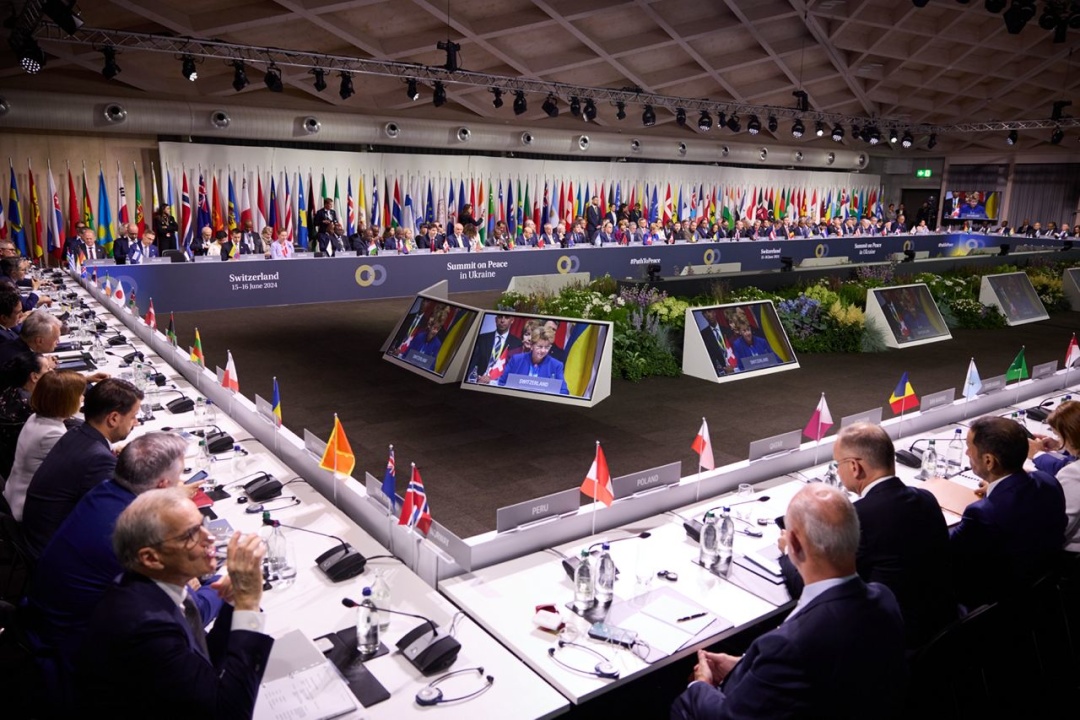
When tensions between states escalate, political leaders may declare war, and communities can be forced to live through an armed conflict. The human cost may include damaged homes, disrupted schools and civilian casualties. In such situations, humanitarian organisations work to provide humanitarian aid, including food, clean water, medical supplies and temporary shelter. Protecting civilians must remain a priority even when negotiations are difficult.
Diplomatic efforts can create a path away from violence. Representatives may hold peace talks and ask a trusted mediator to broker a peace deal. Before a lasting settlement is possible, the parties may try to negotiate a ceasefire so that fighting pauses and aid can reach people in need. If the negotiations succeed, leaders may reach a peace agreement and later sign a peace treaty that sets out responsibilities and arrangements for future cooperation. In some situations, international organisations may deploy peacekeepers to support security and help monitor an agreed settlement.
Peace agreements do not automatically repair the damage caused by conflict. Businesses may close, supply routes may be disrupted and families may face financial difficulties. Governments and partners may need to provide financial support and fund reconstruction so that hospitals, roads, schools and utilities can operate again. When conditions become more predictable, foreign investment may help create jobs, while trade and local enterprise can support economic growth.
Recovery also depends on careful economic decisions. A government emerging from crisis may try to recover from recession while keeping essential services available. Central banks sometimes raise interest rates to respond to inflationary pressure, although higher borrowing costs can make recovery harder for households and businesses. Policymakers therefore consider price stability, employment and the impact of public spending. Where international violations continue, other countries may impose economic sanctions; these measures can apply pressure but may also have wider economic effects.
There is no single route from conflict to lasting peace. A ceasefire can stop immediate violence, but a durable settlement requires trust, protection for civilians, accountable institutions and sustained investment in recovery. By examining both the language of peacebuilding and the language of economics, readers can discuss not only how conflicts end, but also how societies rebuild and create conditions for a more stable future.
Reading Task A — Choose the best answer
Reading Task B — True or False?
Choose True or False according to the text.
Reading Task D — Match the idea to the paragraph
Choose the paragraph number (1–5). Some paragraph numbers may be used more than once.
1. Matching · 10 points
Choose the correct ending. Feedback and the correct answer appear only after you select an answer and check it.
2. Complete the Sentence · 10 points
Choose the lexical collocation that best completes each sentence. Unanswered items will not reveal their answers.
Open SkELL. Search each conflict, peace or economy keyword in Word Sketch, inspect example sentences and open Similar words. For every keyword, record two collocations in different grammatical patterns where possible, write an original sentence for each, add two candidate synonyms or related words, and note a short example or context that you checked. A word that appears in a similar context is not automatically a synonym, so decide whether it can replace the original phrase in your example. Your notes will be included in the lesson submission.
Investigation routine Predict → search in SkELL → inspect examples and grammatical patterns → record two distinct collocations → write your own sentences → check Similar words → revise your hypothesis based on context.
CONFLICTSearch focus: Verb + noun; adjective + noun; noun + noun Explore language describing the outbreak, course and human effects of armed conflict.
PEACESearch focus: Verb + noun; adjective + noun; noun + noun Compare phrases used for ceasefires, peace talks, treaties and peacekeeping.
ECONOMYSearch focus: Adjective + noun; verb + noun; noun + noun Investigate collocations about economic growth, recession and reconstruction.
FINANCESearch focus: Verb + noun; adjective + noun; noun + noun Find natural combinations for financial support, interest rates, investment and public spending.
Teacher scoring: up to 10 points for accurate and varied collocations, original contextual sentences, relevant related words and evidence-based revision of a language hypothesis.
The structured fields are included in the lesson submission and appear as individual records in the teacher's spreadsheet.
4. Odd One Out · Based on SkELL · 10 points
Choose the one expression that does not form a natural collocation. The questions cover conflict, peace and economic vocabulary and grammatical patterns. Each item has three natural combinations and one incorrect combination. Unanswered items stay hidden; explanations appear only after you choose and check.
5. Find the Verb, Find the Collocate · 10 points
Choose the verb or verb phrase that creates a natural collocation about conflict resolution and economic recovery.
6. Collocation Sorting · 10 points
Choose the verb that creates a natural lexical collocation.
7. Lexical Cloze · 10 points
Word bank: declare war · negotiate a ceasefire · reach a peace agreement · broker a peace deal · hold peace talks · sign a peace treaty · deploy peacekeepers · provide humanitarian aid · impose economic sanctions · fund reconstruction
8. Collocation Repair · 10 points
Choose the best correction. Focus on natural lexical word partnerships used to discuss conflict, peace negotiations, humanitarian needs and economic recovery.
Write at least 100 words on War, Peace, Economy and Finance. Use at least eight target collocations from this lesson. Write directly in the box; clipboard paste and drag-and-drop are disabled in this field.
Please compose your paragraph here rather than pasting a prepared text. Normal paste, cut/copy shortcuts and drag-and-drop are blocked in this writing field. This browser restriction supports the task rules but is not a complete plagiarism-detection system.
0 words — 100-word minimum to submit; no maximum
Teacher awards up to 5 points for accurate use of distinct target collocations, a clear main idea and relevant examples about peace and economic recovery.
Submit your lesson work to the teacher
Your name and group from the student profile above, your SkELL collocations and original sentences, related words, corpus notes, writing paragraph and available exercise scores will be collected in the teacher's spreadsheet.
Lesson score
Auto-scored sections: reading MCQ, True/False, paragraph matching, Matching, Sentence Completion, Odd One Out, Find the Collocate, Sorting, Lexical Cloze and Collocation Repair (100 points total). SkELL cluster (10) and productive writing (5) are teacher-scored. Maximum lesson total: 115 points.
Vocabulary bank informed by the Lesson 15 topic, “War, Peace, Economy and Finance,” in the supplied collocation lesson collection. Definitions, reading and interactive exercises were adapted or written for LexiLink.
LexiLink · Connect words. Build fluency. Lesson submissions are sent to the configured Google Apps Script collector. The teacher must verify the saved row in Google Sheets because the browser cannot read confirmation in no-cors mode.